
OHV Safety

Why is this a priority?
We live for this. The trails. The desert. The freedom of riding with family and friends. It's part of what makes living in Lyon County so special.
But we've lost neighbors out there. People who didn't make it home from rides that should have been routine. These weren't strangers. They were our classmates, parents, and friends.
The truth is that most OHV deaths are preventable. Helmets reduce fatal head injuries by 40 percent and serious brain injuries by 60 percent or more. And OHV fatalities jumped 127 percent in 2024. This isn't a problem that's holding steady. It's growing.
But we can change that, right now, as long as we all prioritize safety for ourselves, our family, and everyone we share the trails with.

How we're helping
We’re all looking out for each other out there.
Lyon County Human Services is working with other local agencies and organizations to make safe riding the standard in our community, not the exception.
That means meeting riders where they are: at trailheads, at shops, at the gas stations where everyone fuels up before heading out. It means partnering with local businesses, schools, and riding families to share simple, practical safety information. And it means recognizing that the people who know how to keep Lyon County riders safe are Lyon County riders themselves.
What you can do
Five things. Every ride.
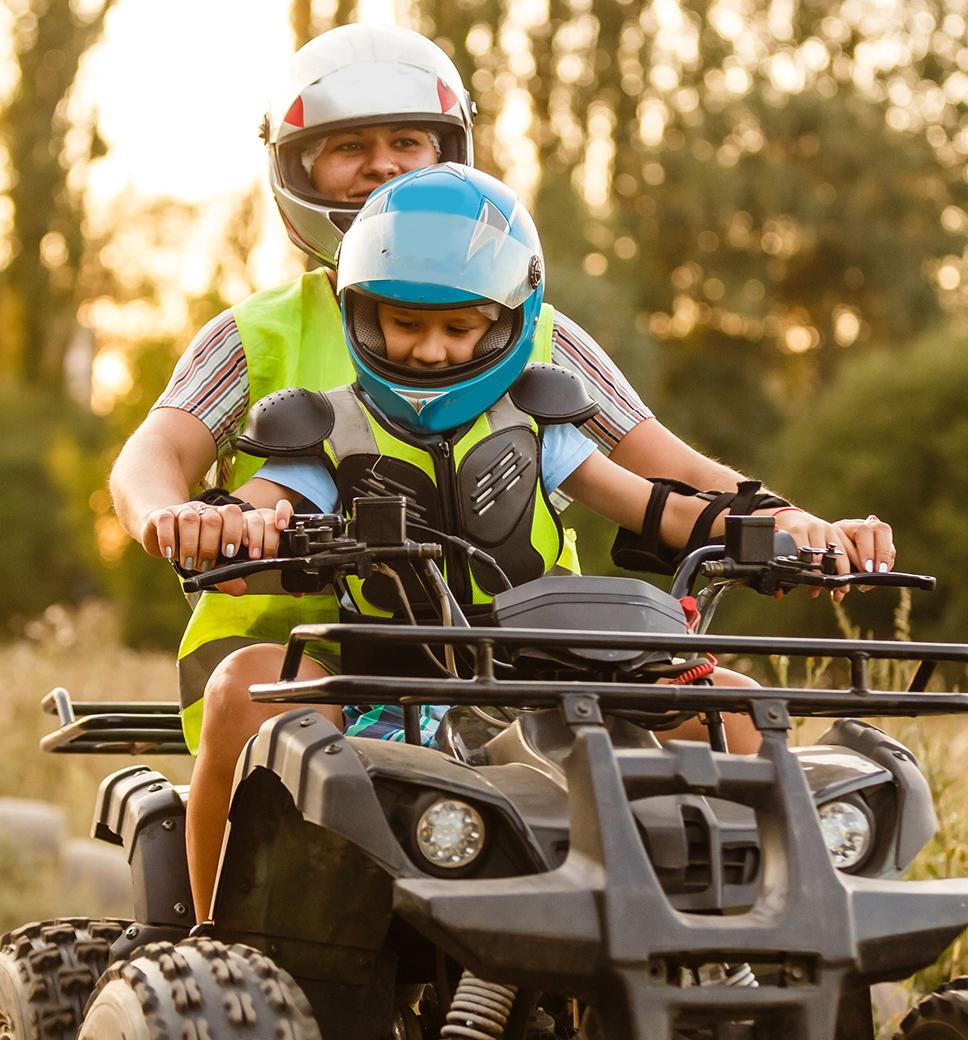
1. Helmet on. Every rider, every time. No exceptions. A DOT-approved helmet is the single most effective thing you can do to come home safe.
2. Stay on roads and trails designated for OHVs. OHVs aren't built for high-speed traffic, and drivers aren't expecting to see you. Two-thirds of OHV deaths happen on roads, so choose trails or roads specifically designated for OHV use whenever you can.
3. Slow down at crossings and trailheads. That's where OHV and highway traffic meet, and it's where most preventable crashes happen.
4. Know the laws. Nevada has specific rules about where and how OHVs can operate on public land and roadways. Knowing them protects you and keeps trail access open for everyone.
5. Parents, have the conversation. Before every ride, set the expectation that the helmet goes on first. Also, model safe riding. Kids learn what's normal from the adults around them. When you show them the right way to ride, they’ll follow.

Resources
Get ready to ride:
DOT helmet standards — what to look for when buying a helmet
Nevada OHV laws — registration, road use, age requirements
Where to ride in Lyon County — public OHV areas, trailheads, and etiquette
Report a hazard — trail conditions, dangerous road crossings
Support when you need it, where you need it
Serving Lyon County
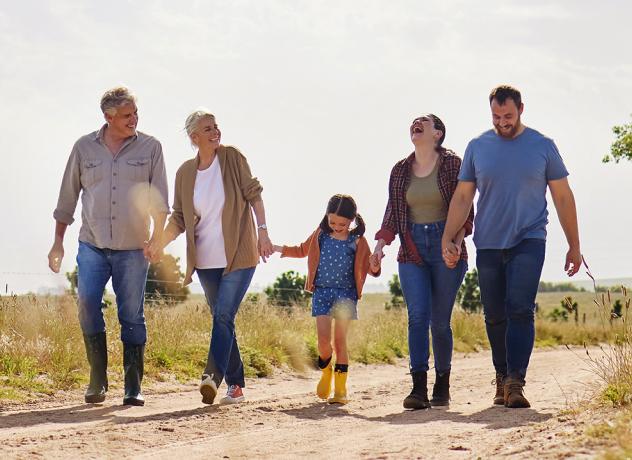
Whether you're a long-time resident or new to our community, we’re your partner in building a stronger, healthier future.
Stay Safe on the Road
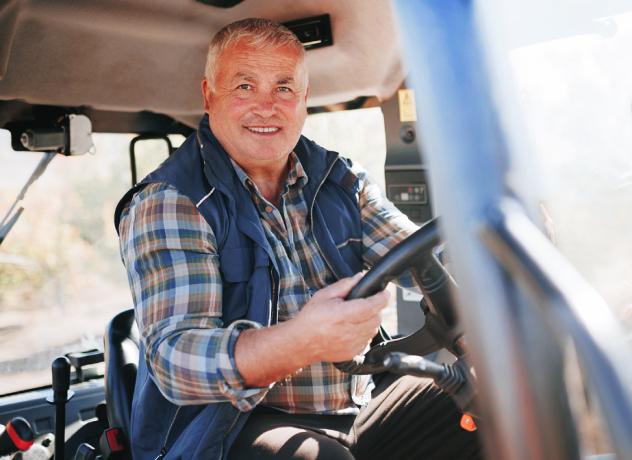
From our busy highways to rural roads, we're working to keep every mile safe. Get resources and support for responsible driving in Lyon County.

STI Resources & Support
Access confidential testing, treatment, and support services. We offer discreet care that respects your privacy and meets your needs.
Behavioral Health Resources
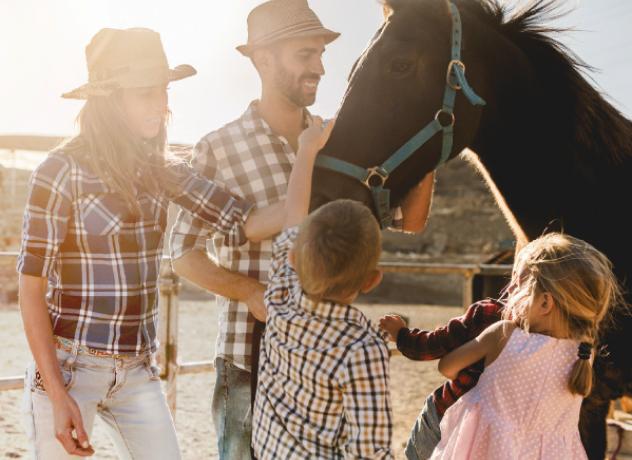
Mental health support designed for rural living. Connect with local resources and providers who understand our community's unique needs.
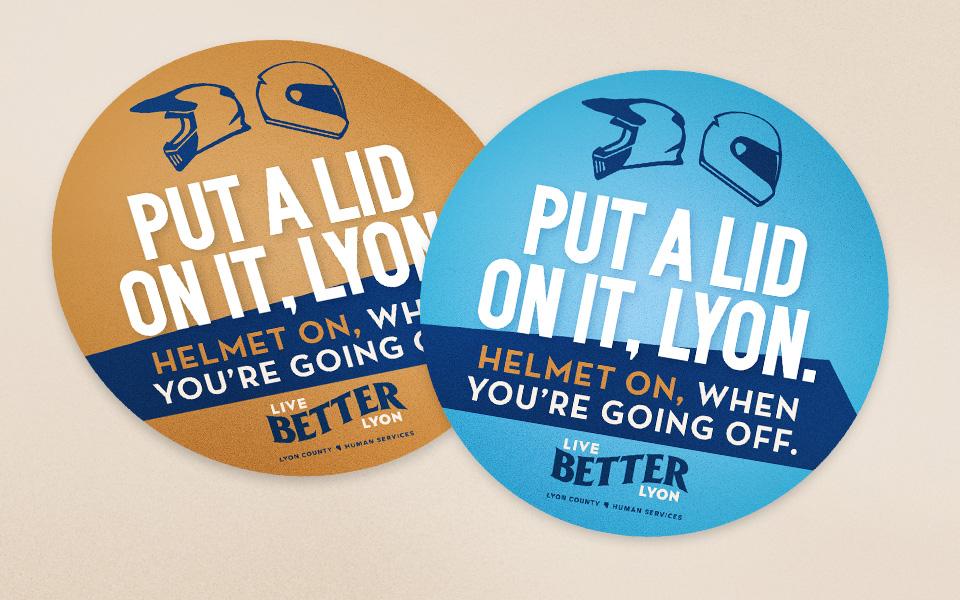
Get the sticker. Spread the word.
Sign up for the Live Better Lyon newsletter and we'll let you know where to grab free Lyon Code stickers, when trailhead events are happening, and how to get involved in keeping our riders safe.
Stay Connected & Informed
Sign up for updates about mobile health clinics, community events, and services in your area. Get the latest information about programs that matter to you and your family, delivered right to your inbox.